
Caro Leader,
Questa settimana parto da una notizia vera, di pochi giorni fa…
Il problema
Molti leader vivono una scelta che credono obbligata: o sei diretto, e allora rischi di sembrare freddo e cinico; o ti prendi cura delle persone, e quando lo fai in modo troppo gentile rischi di annacquare il messaggio fino a renderlo inutile.
Così finisci per scegliere un lato — di solito quello con cui sei cresciuto professionalmente — e per anni non ti chiedi mai se quella scelta ti stia davvero servendo, o se ti stia solo costando qualcosa che non vedi.
Un esempio
Roland Busch, CEO di Siemens — 256 miliardi di dollari di valore, oltre 300.000 persone nel mondo — ha raccontato di recente la sua routine quotidiana. Riceve circa 200 email al giorno e tiene una regola precisa: mai più di 100 non lette in casella.
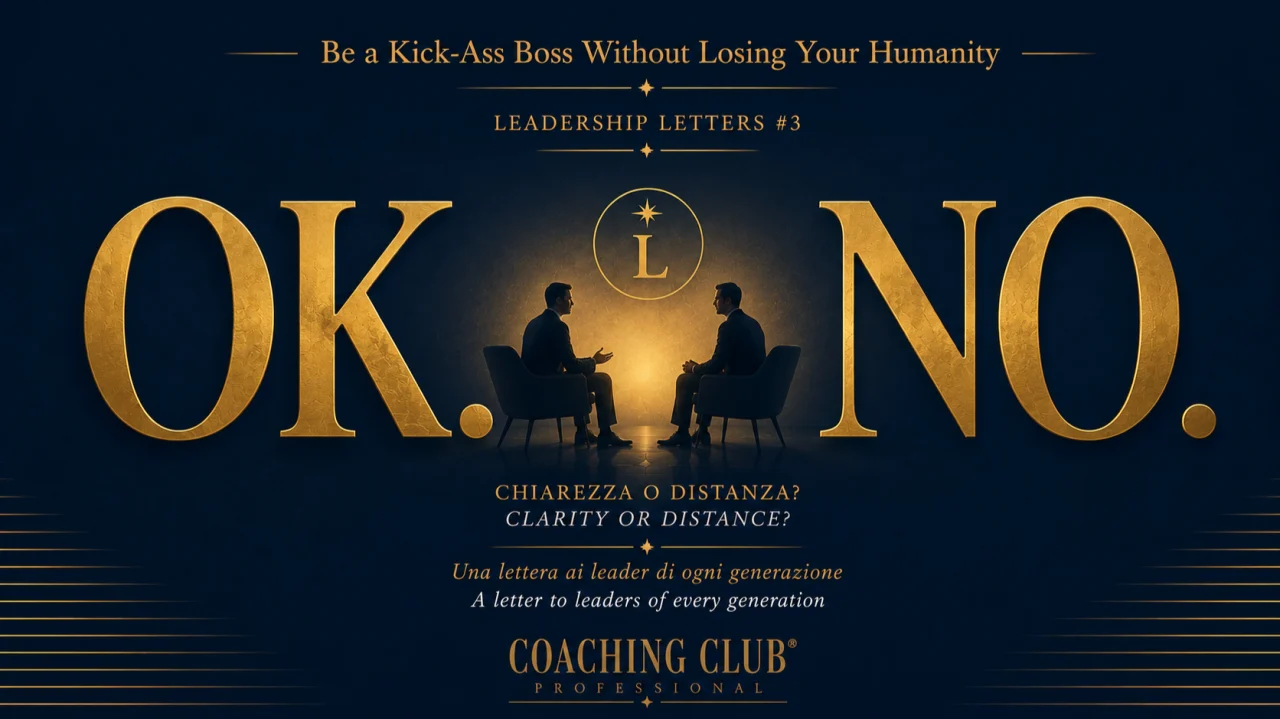
Come ci riesce? Risposte brevissime, spesso di due sole parole: "OK" oppure "No". Se serve scrivere qualcosa di più lungo, lo detta camminando per l'ufficio. Con i suoi riporti diretti non ha nemmeno incontri ricorrenti fissati in agenda: "Vieni da me quando hai bisogno", dice, che sia cinque volte a settimana o una volta al mese.
È efficienza brillante o è distacco travestito da produttività? La risposta onesta è: dipende da cosa c'è sotto. E qui il framework di Kim Scott aiuta a vederci chiaro.
Cosa dice la ricerca
Nel suo libro, che puoi acquistare su Amazon, Radical Candor: Be a Kick-Ass Boss Without Losing Your Humanity, Kim Scott — che ha lavorato a stretto contatto con i team di Google e Apple — propone una mappa a due assi: quanto ti prendi cura personalmente di una persona, e quanto la sfidi direttamente.
Chi fa entrambe le cose pratica la Radical Candor. Chi sfida senza cura scivola nell'Aggressività Sgradevole. Chi si prende cura ma non sfida mai finisce nell'Empatia Rovinosa, quella che sembra gentile ma lascia le persone senza feedback utile per anni. E chi non fa né l'una né l'altra cosa pratica l'Insincerità Manipolatoria, la più tossica delle quattro.
Il punto cruciale, quello che il caso Busch rende visibile, è questo: la lunghezza di un messaggio non dice nulla, da sola, su quale quadrante stai abitando. Un "No" secco può essere Radical Candor, se chi lo riceve sa — per esperienza diretta, non per assunzione — che quella brevità nasce da rispetto e fiducia nella sua autonomia. Lo stesso "No" può essere Aggressività Sgradevole, se chi lo riceve non ha mai sentito, in nessun'altra occasione, che la persona dall'altra parte tiene davvero a lui.
La soluzione da applicare
Non copiare lo stile di Busch. Copia la domanda che il suo caso ti costringe a farti: le persone che lavorano con te sanno, per esperienza vissuta e non per tua intenzione dichiarata, che tieni a loro? Se sì, la tua brevità può essere un dono — chiarezza senza sprechi. Se no, la stessa brevità è solo distanza con un nome più elegante.
Kim Scott offre quattro principi concreti per restare nel quadrante giusto, qualunque sia il tuo stile naturale:
Subito, non dopo — il feedback dato entro 24-48 ore è specifico e azionabile; dato dopo settimane diventa un giudizio, e i giudizi si difendono, non si usano. In privato, sempre — loda pure in pubblico, ma il confronto difficile resta sempre tra te e quella persona, senza audience. Comportamento, non persona — "quella riunione non ha funzionato perché hai saltato la fase di ascolto", non "sei un pessimo comunicatore". Una si corregge, l'altra si subisce. Chiedi anche tu — un leader che sa ricevere feedback crea una cultura dove gli altri sanno darlo. Il gesto è bilaterale, non gerarchico.
Qui uno strumento oggettivo aiuta più di qualsiasi autovalutazione: LC360°, di cui Coaching Club Professional è distributore ufficiale in Italia, raccoglie proprio questo — come il tuo stile di comunicazione viene percepito da chi ti sta intorno, non come pensi tu di comunicare. La distanza tra le due percezioni è spesso il dato più utile che riceverai quest'anno.
Il tuo esercizio
Questa settimana, scegli una persona del tuo team e fai una sola domanda diretta: "Quando ti do un feedback breve o secco, ti senti rispettato/a o ti senti liquidato/a?". Non correggere la risposta. Non spiegarti. Ascolta soltanto, e scrivi quello che senti, non quello che avresti voluto sentire.
Il percorso pratico legato a questo tema — Radical Candor, su come dare un feedback che sfida direttamente e allo stesso tempo si prende cura personalmente delle persone che guidi — è già disponibile gratuitamente, in italiano e in inglese, insieme a tutti gli altri corsi della libreria:
https://biz.coachingclub.pro/accesso_corsi-leadership-coaching-club-page
Se conosci un leader che si nasconde dietro l'efficienza — o dietro la gentilezza — per evitare la conversazione vera, inoltragli questa lettera.
Con stima, Massimiliano
Dr. Massimiliano Poltroni — Coaching Club Professional
Read in English
Dear Leader,
This week I'm starting from a real news story, just days old…
The problem
Many leaders live inside a choice they believe is forced on them: either you're direct, and risk seeming cold, or you take care of people, and risk watering the message down until it's useless. So you end up picking a side — usually the one you grew up professionally with — and for years you never ask yourself whether that choice is actually serving you, or quietly costing you something you can't see.
An example
Roland Busch, CEO of Siemens — a $256 billion company, over 300,000 people worldwide — recently described his daily routine. He gets about 200 emails a day and holds himself to a strict rule: never more than 100 unread in his inbox. How does he manage it? Very short replies, often just two words: "OK" or "No." If something needs more length, he dictates it while walking through the office. With his direct reports, he doesn't even keep recurring meetings on the calendar: "Come to me when you need me," he says — whether that's five times a week or once a month.
Is that brilliant efficiency, or detachment dressed up as productivity? The honest answer is: it depends what's underneath. And this is where Kim Scott's framework helps you see clearly.
What the research says
In her book Radical Candor: Be a Kick-Ass Boss Without Losing Your Humanity, Kim Scott — who worked closely with teams at Google and Apple — proposes a map along two axes: how much you personally care about someone, and how directly you challenge them. Do both, and you're practicing Radical Candor. Challenge without care, and you slide into Obnoxious Aggression. Care without ever challenging, and you land in Ruinous Empathy — the kind that feels kind but leaves people without useful feedback for years. Do neither, and you're practicing Manipulative Insincerity, the most toxic of the four.
The crucial point, the one the Busch case makes visible, is this: the length of a message says nothing, by itself, about which quadrant you're living in. A curt "No" can be Radical Candor, if the person receiving it knows — from direct experience, not assumption — that the brevity comes from respect and trust in their autonomy. The same "No" can be Obnoxious Aggression, if the person receiving it has never felt, in any other moment, that the person on the other end actually cares about them.
The solution to apply
Don't copy Busch's style. Copy the question his case forces you to ask yourself: do the people who work with you know, from lived experience and not from your stated intentions, that you care about them? If yes, your brevity can be a gift — clarity without waste. If no, that same brevity is just distance with a more elegant name.
Kim Scott offers four concrete principles for staying in the right quadrant, whatever your natural style:
Now, not later — feedback given within 24-48 hours is specific and actionable; given weeks later, it turns into a verdict, and verdicts get defended, not used. In private, always — praise in public if you like, but the hard conversation always stays between you and that person, with no audience. Behavior, not person — "that meeting didn't work because you skipped the listening phase," not "you're a bad communicator." One can be corrected. The other has to be endured. Ask for it too — a leader who knows how to receive feedback builds a culture where others know how to give it. The gesture goes both ways, not just down the hierarchy.
Here, an objective instrument helps more than any self-assessment: LC360°, for which Coaching Club Professional is the official distributor in Italy, gathers exactly this — how your communication style is actually perceived by the people around you, not how you think you're communicating. The gap between the two perceptions is often the most useful data you'll get all year.
Your exercise
This week, pick one person on your team and ask a single direct question: "When I give you short or blunt feedback, do you feel respected or dismissed?" Don't correct the answer. Don't explain yourself. Just listen, and write down what you hear — not what you wish you'd heard.
The practical path tied to this theme — Radical Candor, on how to give feedback that challenges directly while personally caring for the people you lead — is already available for free, in Italian and English, along with every other course in the library:
https://biz.coachingclub.pro/accesso_corsi-leadership-coaching-club-page
If you know a leader hiding behind efficiency — or behind kindness — to avoid the real conversation, forward them this letter.
With respect, Massimiliano
Dr. Massimiliano Poltroni — Coaching Club Professional